The world we live in is increasingly led by hype and homogeneity.
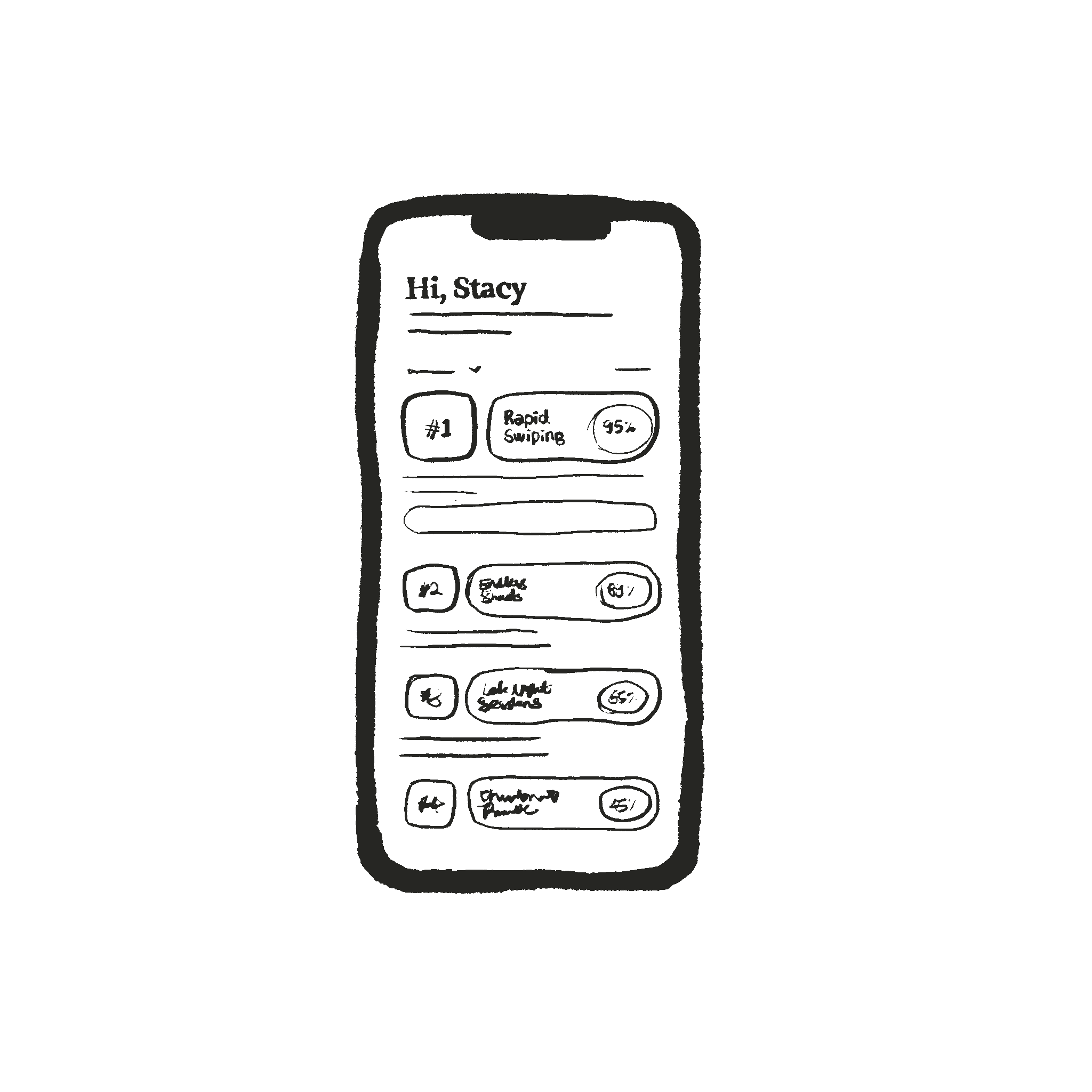
What is ‘popular,'
What is 'recommended,'
What is 'trending now'...
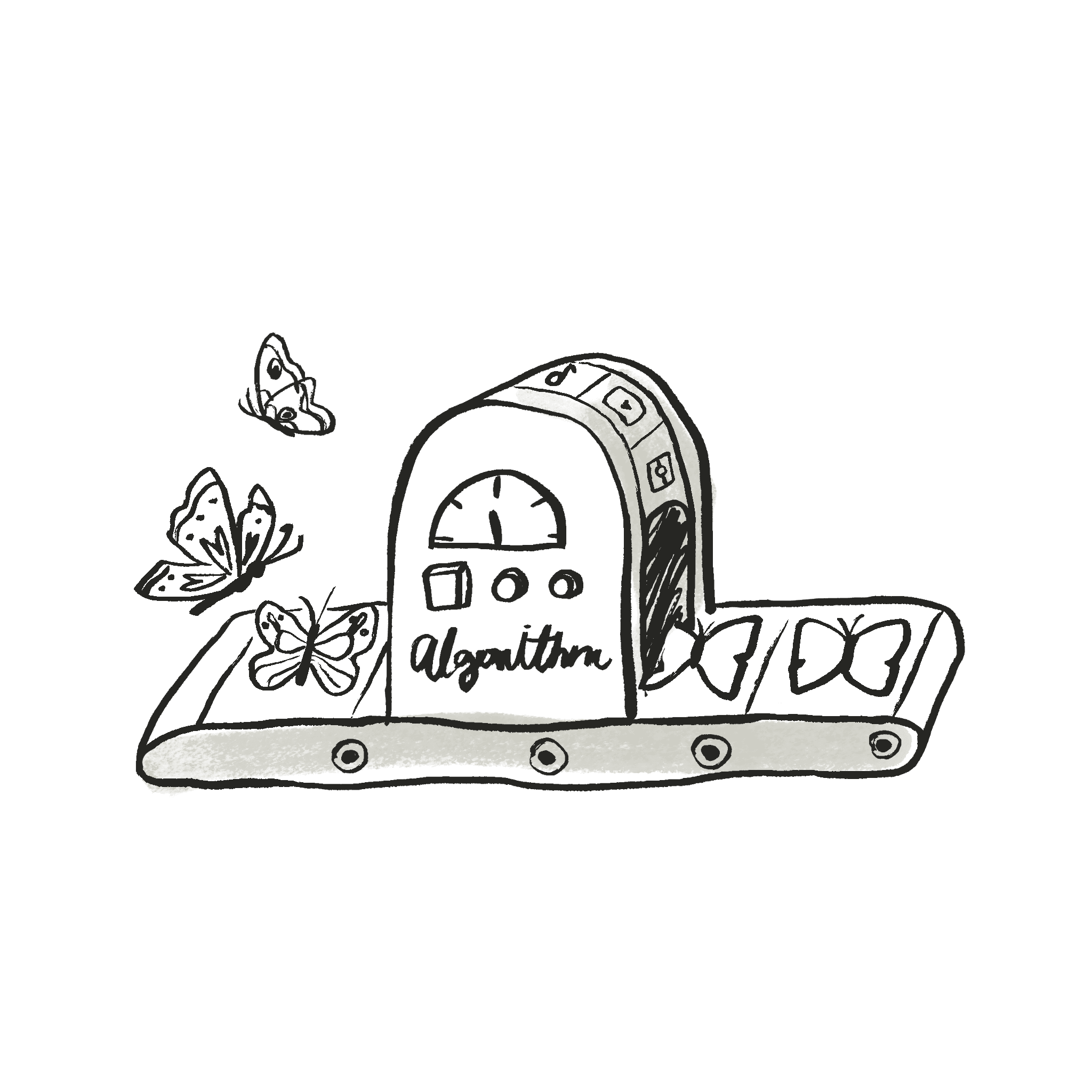
are delivered through the algorithm,
making our choices before we know.
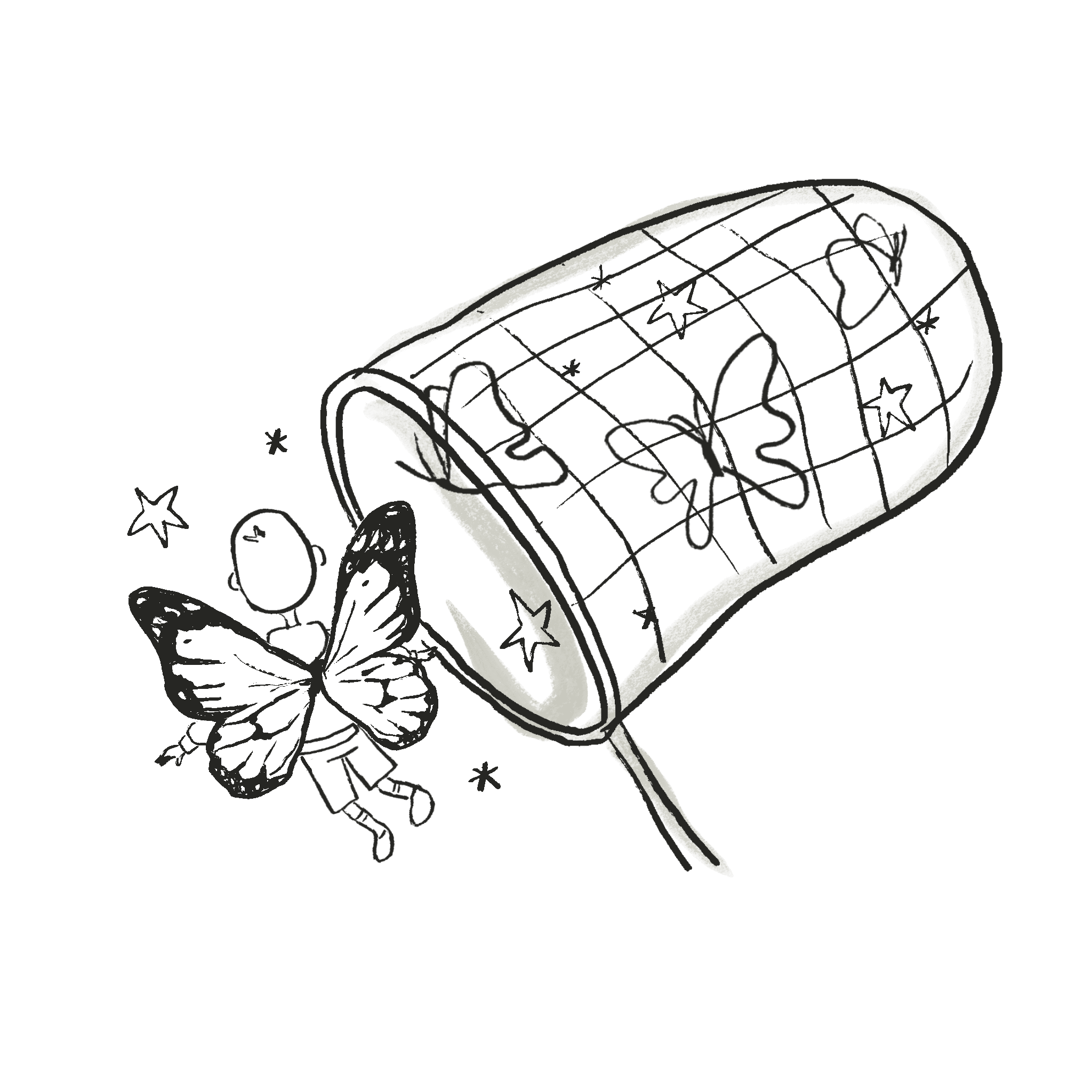
In an overstimulated environment like this, when children are constantly bombarded with dopamine drip on screens, young plastic minds conform easily.
This presents a challenge: children who learn to make daily judgments by following what is 'popular,' 'recommended,' and 'trending now' lose the opportunity to learn what's meaningful rather than what's popular.
Beyond the immediate dangers of 'risk' and 'addiction' of these technologies, something else may be at stake: children's worldview and philosophy.
To protect our youth, we must realize that safety measures and parental controls expire, but habits and values don’t.
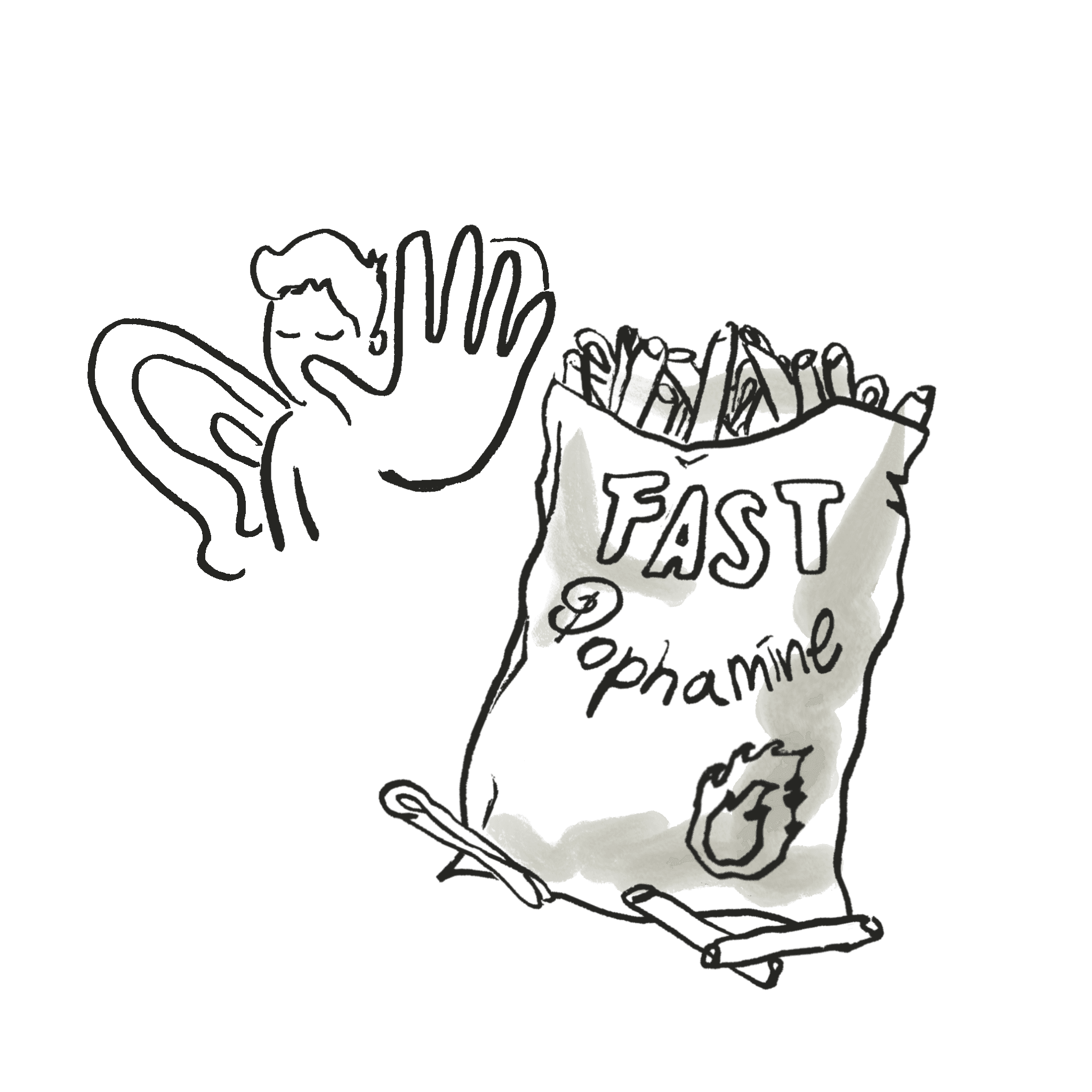
That’s exactly what we’re trying to teach with Tedio. Instead of blocking content or relying on digital “walls,” we help children build awareness of what the “unhealthy ingredients” of the internet are—fast dopamine, endless clips, and addictive patterns.
Even if they still consume them sometimes, the awareness itself plants a seed of discipline and reflection. Over time, this helps children grow the ability to self-refuse—to turn away from instant gratification with understanding rather than control.
Our core mission, then, is simple: to help parents raise children who can consciously refuse fast dopamine.